

When you constantly adjust the settings, you’re forcing the system to start and stop its most high-energy cycle over and over again.
I see this a lot: someone feels a little chilly, so they bump the thermostat up to 74°F. An hour later, they feel warm and crank it down to 69°F. This cycle repeats all day long.
Your HVAC system is designed to maintain a steady state. When you constantly adjust the settings, you’re forcing the system to start and stop its most high-energy cycle over and over again. This "short-cycling" puts massive electrical and mechanical stress on the compressor and fan motor.
Think of it like driving a car: you get much better gas mileage—and your engine lasts longer—when you’re cruising at a steady 65 mph on the highway versus stop-and-go traffic.
Pick one comfortable temperature and leave it alone. By keeping the setting consistent, you allow the system to run its engineered cycles, which keeps your power bill down and extends the lifespan of your equipment. If you like it colder to sleep, it’s fine to drop it a few degrees at night when the sun is down—but during the day, pick a number and stick to it.
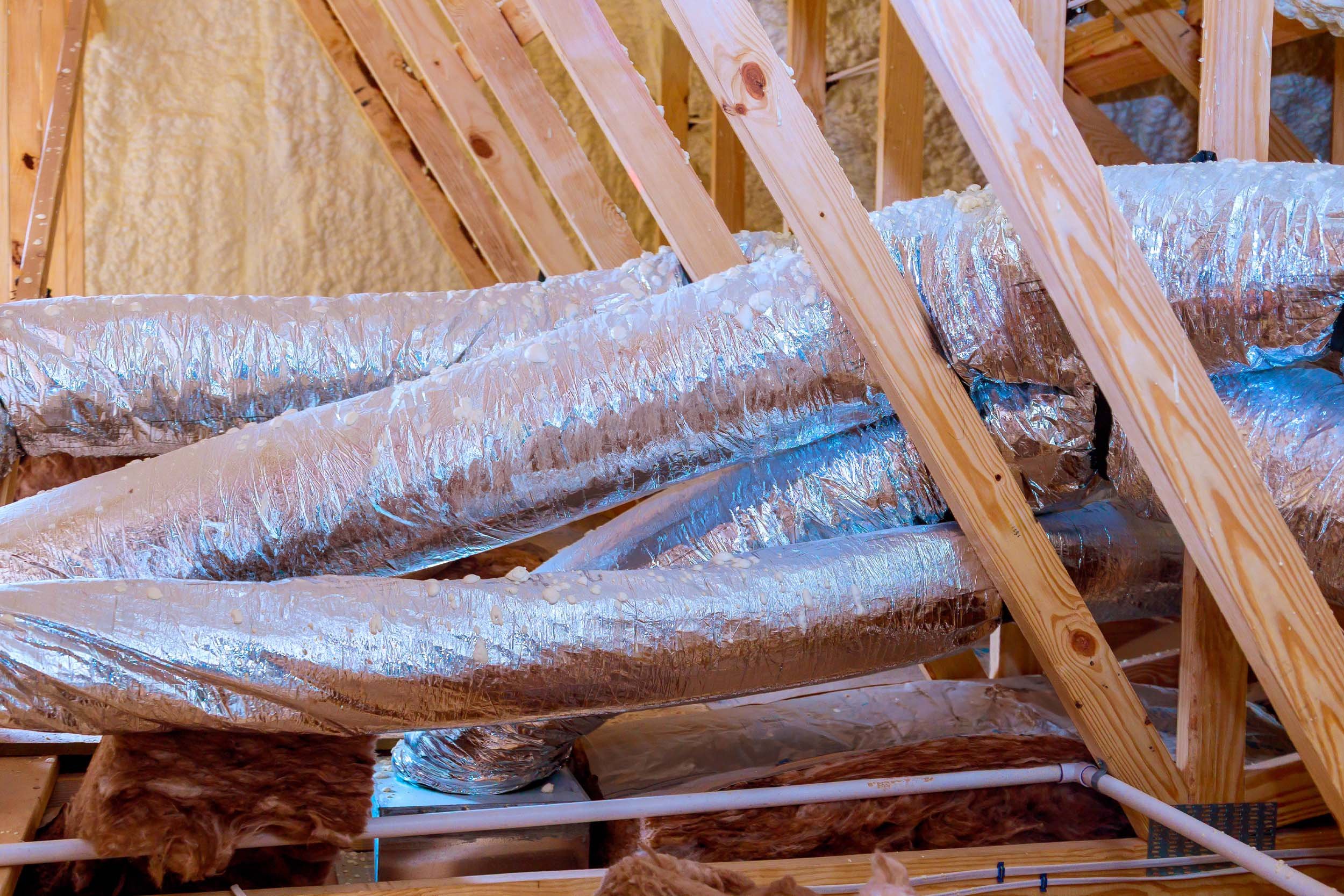
If the manual dampers in your ductwork are improperly set, one room will be starved of air while another is over-supplied.
Managing Hot and Cold Spots
If you have one room that feels like a sauna while the rest of the house is freezing, you likely have an airflow balance issue. Before considering a system replacement, try these steps:
Use the "Fan" Setting. Most thermostats have a fan setting that can be switched from AUTO to ON. This allows the blower to circulate air even when the AC isn't actively cooling, helping to "average out" the temperature across different rooms.
Pro Tip: If you have a modern or "smart" thermostat, you can often program the fan to run for a specific amount of time—like 15 minutes every hour. This keeps the air from becoming stagnant without running the fan motor continuously 24/7.Have the Dampers Professionally Adjusted. Your ductwork contains manual dampers—internal valves that control how much air goes to each room. If these are improperly set, one room will be starved of air while another is over-supplied. Because these are usually located in the attic, we do not recommend homeowners try to adjust them. It's easy to lose your footing in an attic, and balancing airflow requires specialized gauges to measure the exact pressure and temperature at each vent. If your airflow feels "off," give us a call. We can safely balance the system for you.
Consider Remote Sensors. Modern thermostats now support remote sensors that you can place in specific rooms. The thermostat then averages the readings between, for example, a hot upstairs bedroom and a cold downstairs living room. This ensures the system runs until the entire house reaches a comfortable average, rather than just cooling the hallway where the thermostat sits.
Tired of That One “Hot Room”?
From thermostat upgrades to professional duct balancing, Erbe Air is here to keep your home comfortable and your bills low.
Contact us to evaluate your system or discuss a proper setup.
Caleb | Erbe Air LLC
